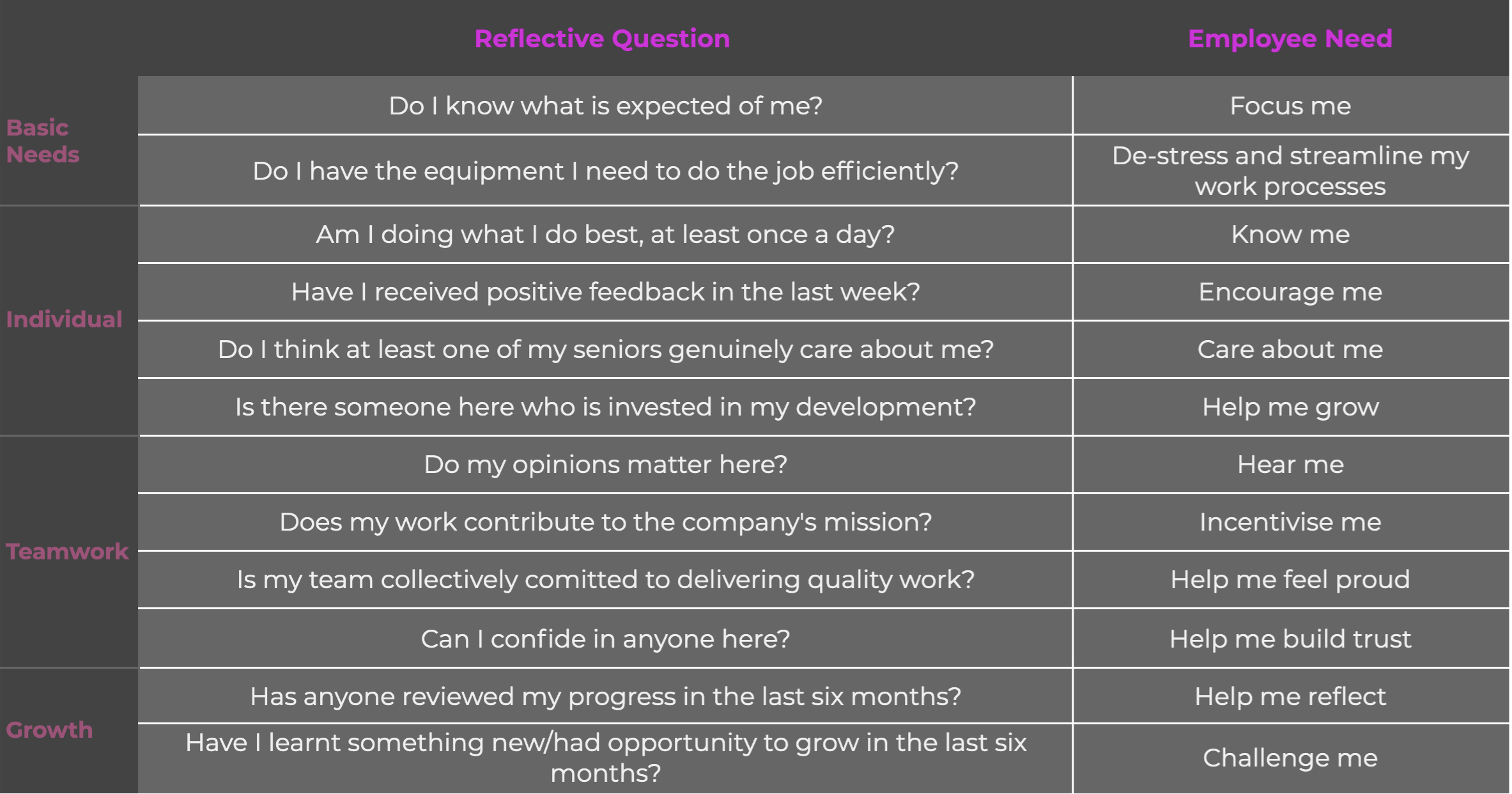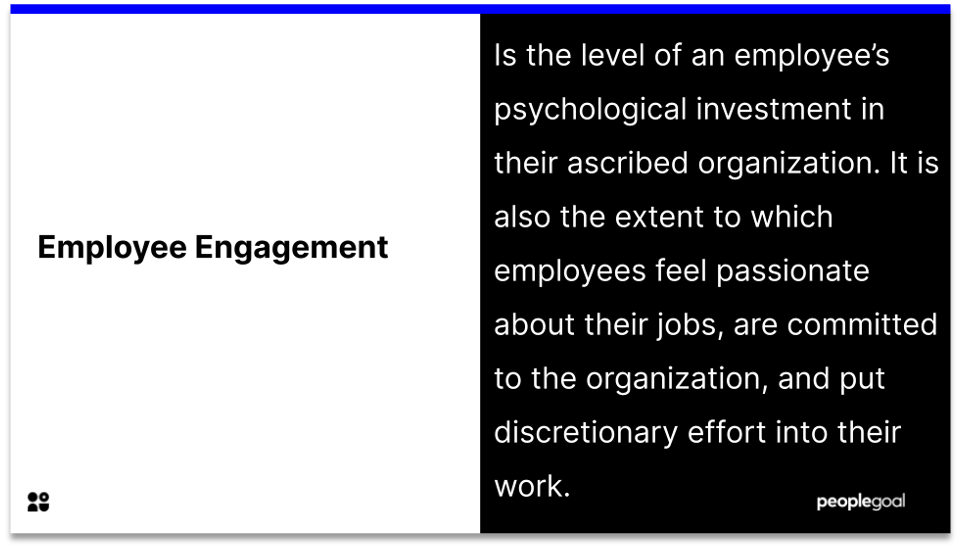

An employee engagement survey is a structured way to understand how connected employees feel to their work, their team, and the organization.
At its core, engagement is about emotional commitment, whether people care about what they do and feel motivated to contribute. A survey simply turns that sentiment into measurable insights.
Employee engagement surveys are one of the most powerful tools HR leaders have. But from what I’ve seen, most organizations aren’t using them correctly.
That’s likely why engagement remains a challenge. According to Gallup’s study in 2025, only 23% of employees worldwide are engaged at work.
It’s not a lack of intent. It’s how surveys are executed.
I’ve seen teams ask too many questions, ignore results, or treat surveys like a compliance task rather than a genuine listening effort. The issues usually come down to vague questions, weak anonymity, and a lack of visible follow-through.
Over the years, I’ve worked with HR teams to fix this. The surveys that actually drive change get three things right: the questions, the process, and what happens next.
In this blog, I’ve covered all three, with 55+ questions, ready-to-use templates, and a practical way to turn feedback into action.
55+ Best Employee Engagement Survey Questions by Category
The questions below are organized into 11 categories covering every major dimension of the employee experience.
I’ve included a short note for each category to explain why it matters, followed by the employee engagement survey examples, and a quick pro tip on how I use the data.
I usually recommend picking the categories that match your current priorities, or using all 11 if you’re running a comprehensive annual survey.
1. Job Satisfaction
I see job satisfaction as the foundation. When scores drop here, it is usually the first sign of disengagement before it shows up in performance or turnover data.
- Do you feel satisfied with your current role and responsibilities?
- Is your workload manageable on a day-to-day basis?
- Do you find your work meaningful and fulfilling?
- Are you proud of the work you do here?
- Do you feel your role makes good use of your skills and abilities?
Note: Analyze satisfaction scores by team and tenure. A dip among employees with 1 to 2 years of tenure often signals a growth ceiling rather than a role problem.
2. Workplace Relationships
From my experience, poor relationships at work are one of the biggest reasons people leave. These questions help me spot friction early before it turns into a resignation.
- Do you have a good working relationship with your team members?
- Do you feel supported by your immediate manager?
- Is there open and honest communication within your team?
- Are conflicts handled in a healthy and constructive way?
- Do you feel treated with respect by your colleagues?
Remember, if relationship scores are low in one specific team, run a focused pulse survey or a manager-only check-in before drawing conclusions.
3. Communication and Feedback
I have noticed that workflow communication breakdowns are one of the most common workplace frustrations. These questions help me understand whether information is flowing clearly and if feedback is actually useful.
- Do you receive regular and constructive feedback from your manager?
- Are you comfortable sharing your ideas or concerns with leadership?
- Is important information shared with you in a timely manner?
- Do you understand what is expected of you at work?
- Do leaders communicate a clear vision for the company?
Add an open-text field here. Employees often want to explain the “why” behind their score, and those explanations are where the most useful insights live.
4. Career Growth and Development
I have seen that when employees do not see a growth path, they start looking elsewhere. This category helps me understand whether our learning and development efforts are actually making an impact.
- Do you have opportunities to grow professionally within the company?
- Is there a clear path for advancement in your career?
- Have you had access to training or learning programs in the past six months?
- Do you feel encouraged to develop new skills?
- Does your manager support your career development goals?
Cross-reference low growth scores with your L&D data. If training programs exist but scores are still low, the issue is likely access or relevance, not budget.
5. Recognition and Rewards
In my experience, employee recognition is one of the simplest yet most effective ways to boost engagement. Yet, it is often one of the lowest-scoring areas in surveys.
- Do you feel recognized for your contributions at work?
- Are you satisfied with the recognition you receive?
- Do team members appreciate each other’s efforts?
- Does leadership acknowledge good performance?
- Are rewards and promotions handled fairly?
Recognition preferences vary widely. Use a follow-up open-ended question: “How do you prefer to be recognized?” The answers will often surprise you.
6. Work-Life Balance
I treat work-life balance as an early warning system for burnout. These questions help me identify issues before they start affecting retention and performance.
- Do you feel you have a healthy balance between work and personal life?
- Can you disconnect from work during your time off?
- Are flexible working arrangements available to you?
- Do you feel supported when dealing with personal or family issues?
- Is stress at work manageable?
Look for role-based patterns. If one function or seniority level consistently reports poor balance, the issue is likely structural, not individual.
7. Organizational Alignment
I have found that when employees understand and believe in where the company is going, engagement naturally improves. Low scores here usually point to a communication gap from leadership.
- Do you understand the company’s mission and values?
- Do you feel your work contributes to the company’s goals?
- Are you confident in the direction the company is heading?
- Do you trust the decisions made by senior leadership?
- Do you believe the organization acts with integrity?
If alignment scores drop after a major announcement or restructure, address it directly in the next all-hands rather than waiting for the next survey cycle.
8. Inclusion and Belonging
I know this is one of the most sensitive areas in any survey. If employees do not feel completely safe, they will not share honest feedback here.
- Do you feel a sense of belonging at work?
- Is your team inclusive of people from all backgrounds?
- Can you be your authentic self at work?
- Does the organization actively promote diversity and inclusion?
- Do you feel safe expressing your ideas and opinions?
Use a third-party tool for this section if possible. The perception of being traceable will suppress honest answers more than anywhere else in the survey.
9. Engagement and Motivation
This is where I get a clear sense of overall engagement. It is also where early signs of attrition tend to show up first.
- Are you motivated to do your best work every day?
- Do you feel excited about coming to work?
- Would you recommend this company as a great place to work?
- Do you feel committed to the organization’s success?
- Are you likely to be working here a year from now?
Track the “likely to be working here” question over time. A consistent downward trend is one of the most reliable early attrition indicators available.
10. Manager Effectiveness
According to Gallup’s study in 2026, managers account for at least 70% of the variance in employee engagement scores,. That’s why I treat this section as a core set of employee engagement questions for managers, giving direct visibility into one of your biggest engagement levers.
- Does your manager set clear expectations for your work?
- Does your manager give you the autonomy to do your job well?
- Do you feel your manager advocates for you within the organization?
- Does your manager handle performance issues fairly?
- Do you feel comfortable raising concerns with your manager?
Share manager-level results only with HR and senior leadership initially. Give managers a chance to review and respond before scores are shared upward in isolation.
11. Remote and Hybrid Work Experience
I have learned that traditional survey questions do not fully capture remote or hybrid experiences. If I skip this, I miss a big part of how employees actually feel today.
- Do you have the tools and equipment you need to work effectively from home?
- Do you feel included in team meetings and discussions regardless of where you work?
- Is communication with your team effective in a remote or hybrid environment?
- Do you feel connected to your colleagues despite working remotely?
- Do you feel your remote work arrangement is supported by your manager?
If you have a mixed workforce, segment remote and in-office responses separately. Aggregated scores often hide large experience gaps between the two groups.
How Did I Choose These Engagement Survey Questions?
The employee engagement questions in this blog were filtered through three established frameworks used in HR and organizational psychology, and each one had to meet a clear standard before making the list.
In fact, every question here is grounded in three established frameworks widely used in HR and organizational psychology.
| Framework | What It Measures | Why It Matters |
|---|---|---|
| Gallup Q12 | Manager relationship, role clarity, growth, belonging | The most validated engagement predictor across industries |
| eNPS (Employee Net Promoter Score) | Likelihood to recommend the organization | Tracks loyalty and advocacy trends over time |
| Organizational Psychology Principles | Psychological safety, autonomy, and fairness | Ensures questions surface honest, unbiased responses |
I only included a question if it met all three criteria:
- Specific and actionable: The response clearly identifies an area for improvement.
- Non-leading: The wording does not suggest a preferred answer.
- Outcome-linked: The insight connects to retention, performance, culture, or growth.
Why Do Most Employee Engagement Surveys Fail?
Before I design a single employee engagement question, I make sure I understand why most surveys fail. The issues are almost always structural, not superficial. Fixing them upfront does more for response quality than rewriting employee engagement questions later.
I’ve seen three employee engagement mistake patterns come up again and again when people talk about why surveys don’t work:
1. Employees do not trust the anonymity: Even when surveys are labeled anonymous, I’ve noticed employees still hold back. If the team is small or the tool routes responses through a manager, people assume they can be identified. That fear shuts down honest feedback.
2. Results disappear: I’ve seen this happen too often. Employees fill out the survey, then hear nothing for weeks, and nothing changes. This “black hole” effect quickly kills future participation. In fact, surveys without visible follow-through often reduce engagement more than not running a survey at all.
3. Questions are designed to win, not to learn: When surveys are tied to manager performance bonuses, I’ve seen questions get softened. The scores may look good on paper, but they don’t reflect what’s actually happening on the ground.
Fix these three things before you send a single survey.
Employee Engagement Survey Questions by Use Case
I’ve seen that a startup running its first survey has completely different needs compared to a 5,000-person enterprise managing engagement across multiple countries. Using the same question set for both usually leads to data that is either too shallow or too complex to act on.
That’s why I’ve designed the sets below to match the specific context and constraints of each organization type. You can copy, adjust, and use them directly.
For Startups (Pulse Survey: 8 Questions)
When I work with startups, I focus on speed and clarity. You don’t need a 50-question survey. You need a tight pulse that quickly tells you whether your culture is holding as you scale.
Here are the questions:
- Do you understand what the company aims to achieve over the next six months?
- Do you feel your role directly contributes to the company’s growth?
- Is leadership transparent about the state of the business?
- Do you have what you need to do your best work?
- Do you feel recognized for the effort you put in?
- Is the pace of work sustainable for you right now?
- Do you see a future for yourself at this company?
- What is one thing leadership could do to make your work life better? (Open text)
For Remote and Hybrid Teams (8 Questions)
I’ve noticed that remote employees are often overlooked in standard surveys. That’s why I use questions tailored specifically to their day-to-day experience.
- Do you have the tools and technology you need to work effectively?
- Do you feel included in team decisions even when working remotely?
- Is communication with your team clear and timely in a remote setting?
- Do you feel connected to your colleagues despite the distance?
- Does your manager check in with you regularly in a meaningful way?
- Do you feel you have equal access to growth opportunities compared to in-office colleagues?
- Is your workload visible and manageable from a remote environment?
- What is one change that would improve your remote work experience? (Open text)
To explore some employee forms for remote hires, check out our guide.
For Enterprise Organizations (8 Questions)
In enterprise setups, I focus on consistency and scale. The survey needs to work across departments, geographies, and seniority levels, so I use questions that surface systemic issues, not just individual opinions.
- Do you feel the organization’s values are reflected in day-to-day decisions?
- Is there consistency in how people are treated across teams and locations?
- Do you have access to the resources and support you need to perform at your best?
- Does your direct manager support your development and growth?
- Are important decisions communicated clearly and in a timely manner?
- Do you feel your feedback is taken seriously by leadership?
- Is the workload distributed fairly within your team?
- What is one process or policy that you believe should be reviewed or improved? (Open text)
What Question Types Actually Work? (And Which Ones Backfire)
Choosing the right category of question is only half the job. In my experience, how you frame the question determines whether you get honest, usable data or a clean-looking score that tells you nothing.
I have seen well-intentioned surveys produce completely misleading survey results simply because the questions were too vague, too leading, or asked about things the company had no intention of changing.
The table below breaks down which question types consistently produce actionable insights and which ones create noise, along with real employee engagement survey examples of each.
| Question Type | Example | Effectiveness | Why |
|---|---|---|---|
| Specific and Actionable | Do you have the materials and equipment to do your work right? | Effective | Points directly to a fixable issue |
| Well-Designed Open-Ended | What is one frustration your manager has the authority to fix immediately? | Effective | Surfaces insights closed questions miss |
| Manager Support | Do you regularly receive constructive feedback from your manager? | Effective | Manager quality is the top engagement driver |
| Alignment with Mission | Does the company's vision inspire you in your daily work? | Effective | Aligned employees are 2x more engaged |
| Vague and Broad | How satisfied are you with the company culture? | Ineffective | Too broad to act on meaningfully |
| Leading or Biased | What do you think of our excellent new development program? | Ineffective | Steers respondents toward a positive answer |
| Double-Barreled | Does your manager communicate well and support your career? | Ineffective | Two questions in one, unclear what the score refers to |
| Pay Without Intent to Act | Are you paid fairly? (when no comp review is planned) | Ineffective | Raises expectations the company cannot meet |
On Likert Scales: I always recommend a 5-point scale (Strongly Disagree to Strongly Agree) over a 1 to 10 numerical scale. The 5-point format reduces ambiguity and forces respondents to lean one way or the other. The 1 to 10 scale creates too much noise in the middle range and makes trend analysis harder over time.
Bad vs. Better: Side-by-Side Examples
| Bad Question | Better Version | Why It's Better |
|---|---|---|
| Are you happy at work? | Do you feel motivated to do your best work each day? | Specific and behavioral, not vague |
| Do you like your manager? | Does your manager give you the support you need to succeed? | Outcome-focused, not personal |
| Is the culture good? | Do you feel comfortable being yourself at work? | Concrete and answerable |
| Do you get enough feedback? | Does the feedback you receive help you improve your performance? | Measures quality, not just frequency |
How to Run an Anonymous Employee Engagement Survey: Step-by-Step
Running an effective engagement survey is not just about picking questions and hitting send. I have seen well-designed surveys fall completely flat because the process around them was weak.
The setup, communication, and distribution determine whether employees trust it enough to respond honestly.
Here is the complete process I follow, starting with the general principles and then walking through how to execute each step in PeopleGoal.
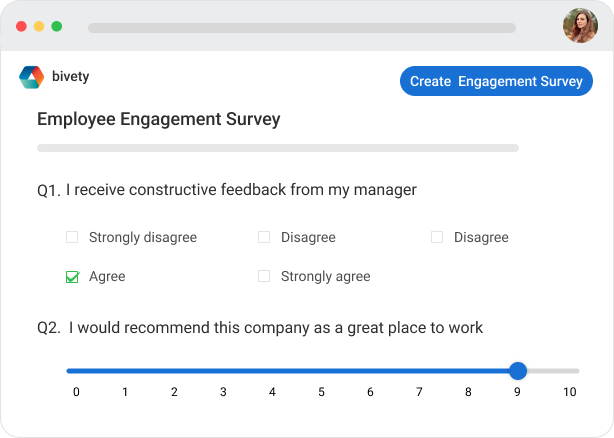
Step 1: Define Your Survey Goal
Before building anything, get clear on what you are trying to learn. A survey without a clear purpose produces data without a clear use.
Ask yourself the following before you start:
- Is this a full organizational diagnostic or a focused pulse on a specific issue?
- Are you measuring overall engagement or investigating a specific area like manager effectiveness or retention risk?
- What decisions will the results inform, and who needs to see them?
Your answers will determine the length of your survey, the categories you prioritize, and how you segment and share the results.
Step 2: Choose a Dedicated Survey Tool
I stopped using generic tools like Google Forms and Excel for engagement surveys a long time ago. They cannot handle anonymization properly, do not support response segmentation, and give employees no visual signal that their feedback is being handled professionally.
Use a dedicated platform that supports the following:
- True anonymous response collection via a shared link, with no individual login required
- Access permission controls so managers cannot see raw responses
- Built-in report generation and category-level data visualization
- Historical data storage so you can track trends across survey cycles
PeopleGoal is built for exactly this. It handles anonymization, permissions, templates, and reporting in one place, so you are not stitching together three tools to run a single survey.
Step 3: Decide Between Anonymous and Named Surveys
Not every survey needs to be anonymous, but most engagement surveys should be. The type you choose determines how you set up the tool, distribute it, and communicate it to employees.
Here is how to decide:
- Anonymous surveys are the right default for sensitive categories, including culture, inclusion, manager effectiveness, and overall engagement. Use a shared web form link that requires no login.
- Named surveys work for development-focused check-ins where you need to track individual growth over time, not diagnose organizational culture. Use these only when employees understand and accept that their responses are attributed.
In PeopleGoal, you make this choice at the settings level. For anonymous surveys, go to Settings, enable the Web Form option, and toggle on “Anonymous responses only.” This generates a single shared link with no login requirement, ensuring responses cannot be traced back to individuals.
Step 4: Build and Customize Your Survey
Once your tool is set up, build the survey itself. Whether you start from a blank slate or a template, keep the following in mind:
- Limit the survey to the categories most relevant to your current goal. An annual survey can include 8 to 11 categories. A pulse survey should cover no more than three.
- Use a consistent 5-point Likert scale across all rating questions to ensure reliable trend analysis over time.
- Add at least one open-text question per section. Scores tell you what the sentiment is. Open responses tell you why.
In PeopleGoal, the process looks like this:
- Click “Browse Engagemnet Survey Templates” and select the template that matches your use case, then click “Add to Account.”
- Open the template via “Edit Template” to customize questions by category. Drag and drop to reorder them.
- Use the blue “+” icon to add new questions. Choose from 30+ field types, including Likert scales, multiple choice, and open text.
- Use the Permissions tab to control who can access results and at what level of detail.
Step 5: Communicate Anonymity Before You Launch
This is the step I see skipped most often, and it is the primary reason participation rates stay low. Employees do not fill out surveys they do not trust, regardless of how the tool is set up.
Send a pre-launch message that clearly covers the following:
- Who can see the results, for example, HR and senior leadership only, not direct managers
- How responses are collected, for example, a shared link with no login and no individual tracking
- What will happen with the results, including a specific timeline for when findings and actions will be shared
Send this message one to two days before the survey opens. Keep it short, direct, and specific. Vague assurances of anonymity do not build trust. Concrete explanations do.
Step 6: Distribute the Survey and Set a Clear Deadline
How you send the survey affects how seriously employees take it. A message that explains the purpose, confirms anonymity, states the deadline, and gives an estimated completion time will always outperform a generic “please fill out this survey” link.
Follow these guidelines when distributing:
- Share the anonymous web form link via email, Slack, or your internal communication channel
- Include the survey deadline and an honest estimate of completion time, ideally under 10 minutes for pulse surveys
- For named surveys, PeopleGoal handles direct distribution automatically to selected users or teams
Step 7: Send One Reminder, Not Three
A single reminder sent three to four days before the survey closes is enough. More than one follow-up signals desperation, not importance, and can make employees feel pressured rather than invited.
Keep the reminder message brief. Restate the deadline, the estimated time to complete, and the anonymity assurance. Nothing else is needed.
Step 8: Close the Survey and Generate Your Report
Once the survey closes, move quickly. Delayed analysis signals that the data is not being prioritized, and employees notice.
Here is how to pull your results in PeopleGoal:
- Navigate to the Data tab and click “New Report,” then save it as a template for future survey cycles.
- Use the Chart feature to visualize results with radar charts or bar graphs depending on the categories you want to compare.
- Group data by response category to identify patterns across engagement dimensions.
- Where possible, segment by team, department, tenure, or work type to surface the specific areas that need attention rather than acting on aggregated averages alone.
For a quick dive into building employee engagement surveys, watch this video:
How to Analyze Engagement Survey Results and Turn Them Into Action
Getting a 73% satisfaction score means nothing on its own. A number without context, segmentation, or a plan attached to it is just data.
I have worked with teams that celebrated high scores while quietly experiencing rising turnover, because they never looked past the aggregate.
The five-step framework below is what I use to take raw survey output and turn it into a prioritized action plan that leadership can own, and employees can see.
Step 1: Benchmark Your Scores
Before drawing conclusions, put your scores in context. Compare against:
- Your own previous survey results (trend direction matters more than absolute score)
- Industry benchmarks
- Department-level breakdowns (a 65% company average can hide a 40% score in one critical team)
A score is only useful when you know what it is being measured against.
Step 2: Identify Your Top Three Priorities
I have seen organizations try to fix twelve things at once after a survey and end up improving none of them. Do not make that mistake. Look for:
- The lowest-scoring categories across the organization
- Categories where scores have dropped significantly since the last survey
- Areas where there is a large gap between what employees want and what they are experiencing
Pick three. Communicate those three. Act on those three.
Step 3: Segment the Data
Aggregate scores hide the most important information. Slice your data by:
- Team or department: Is the issue organization-wide or isolated?
- Tenure: Are newer employees more disengaged than veterans, or vice versa?
- Role level: Do frontline employees and managers have dramatically different experiences?
- Location or work type: Is there a remote vs. in-office experience gap?
Segmentation turns a company-wide problem into a solvable team-level problem.
Step 4: Share the Results Transparently
Employees who never see survey results stop participating in future ones. I have found that sharing findings across the organization, even the uncomfortable ones, builds far more trust than filtering results to show only the positive.
Leadership teams that present the hard data earn credibility that leadership teams who hide it never recover.
A simple format that works: “Here is what we heard. Here is what we are going to do about it. Here is when you will see a change.”
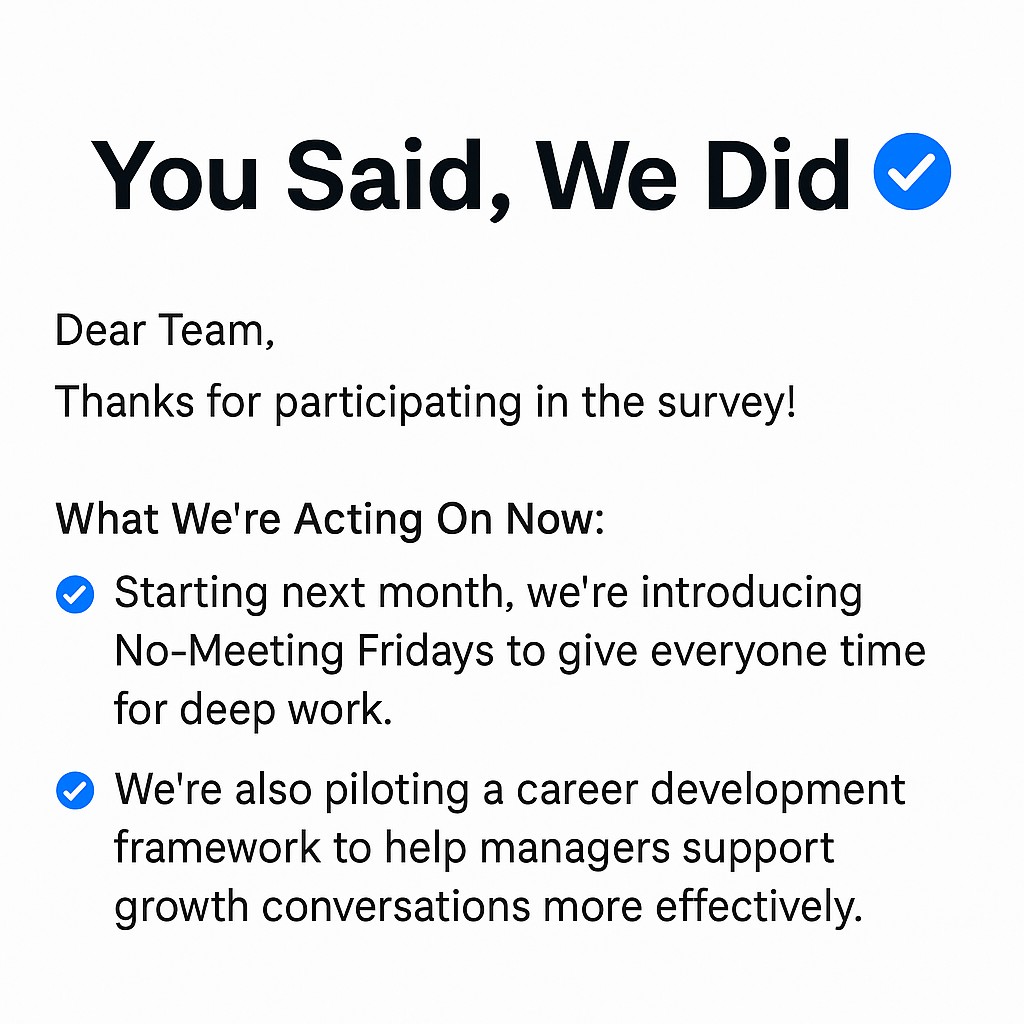
Step 5: Close the Loop with a “You Said, We Did” Update
Within 60 to 90 days of sharing results, communicate the actions taken. Even if a problem cannot be fully resolved, communicating what has been done and why certain things cannot change right now maintains trust and participation for future surveys.
How Often Should You Run Employee Engagement Surveys?
Survey frequency is one of the most debated questions in HR circles. Run surveys too rarely and you miss important shifts in sentiment. Run them too often without acting on results and you erode the trust the process depends on.
| Survey Type | Recommended Frequency | Best For | What It Measures |
|---|---|---|---|
| Annual Engagement Survey | Once per year | Full organizational diagnostic | All categories, deep and comprehensive |
| Quarterly Pulse Survey | Every three months | Tracking trend changes | 5 to 10 focused questions on priority areas |
| Monthly Check-In | Monthly | Fast-moving teams, post-change environments | 3 to 5 questions on sentiment and immediate concerns |
| Post-Event Survey | After major changes | Restructures, new policies, leadership changes | Immediate reaction and adjustment needs |
In my experience, survey fatigue isn’t really about how often you run surveys. It comes from asking for feedback and then doing nothing with it.
I’ve seen teams respond far better to a simple monthly 3-question check-in with clear follow-through than to a once-a-year survey that turns into a slide deck no one looks at again.
For most organizations, I’ve found that a quarterly pulse survey paired with an annual deep-dive strikes the right balance. It keeps you close to changing sentiment without overwhelming your team.
Best Practices Before You Hit Send
Even a well-designed survey can underperform if the launch process isn’t handled carefully. I use this checklist before every survey I run, whether it’s a 5-question pulse or a full annual diagnostic. These are the checks that separate surveys employees take seriously from those they rush through in 90 seconds.
- Only ask what you are willing to act on: If leadership has no intention of reviewing compensation, do not ask about pay. I’ve learned this the hard way. Unmet expectations are worse than no question at all.
- Test the survey with one person first: I always have a trusted team member complete it and flag anything that feels confusing, leading, or uncomfortable before it goes out to everyone.
- Keep it under 15 minutes: Surveys that take longer than 15 minutes see a sharp drop in completion quality. For pulse surveys, I aim for 10 minutes or less.
- Use plain, conversational language: I avoid HR jargon. I write every question as if I’m asking it in a one-on-one conversation, not drafting a policy document.
- Design for your most skeptical employee: If your most disengaged or distrustful employee would feel safe completing this survey honestly, you’ve designed it well.
- Set a clear deadline and communicate it once: Vague timelines reduce urgency. In my experience, one reminder is enough.
- Separate sensitive categories: Inclusion, manager effectiveness, and pay questions pose greater risk to respondents. Where possible, I run these as standalone, anonymous surveys rather than bundling them with general engagement questions.
- Plan your communication cadence before launch: I make sure I know exactly what I’ll say when sharing results, and by when. I don’t wait until the data is in to figure out the follow-up plan.
Start Measuring What Actually Matters
Measuring employee engagement is not a one-time event. It is an ongoing conversation between leadership and the people doing the work. When you ask the right questions, protect the honesty of responses, and close the loop with visible action, surveys stop being an HR exercise and start being one of your most effective tools for improving retention, performance, and culture.
If you are ready to build surveys that actually drive change, PeopleGoal gives you everything you need in one place. Customizable templates, built-in anonymity settings, and reporting tools that help you move from data to decisions without the manual work.
The feedback is there. You just need the right system to surface it.
Frequently Asked Questions

What are the signs of survey fatigue, and how do you avoid it?
Survey fatigue shows up as low participation, rushed responses, and neutral answers. Avoid it by keeping surveys short, maintaining a clear cadence, and sharing visible actions after each survey.
What is eNPS, and how does it fit into an engagement survey?
eNet Promoter Score measures employee loyalty by asking how likely they are to recommend your organization. It gives a quick pulse on overall sentiment and works best when paired with deeper engagement questions.
What is a good employee engagement survey response rate?
A response rate above 70% is strong. Below 50% often signals low trust, poor communication, or survey fatigue. For pulse surveys, 60% is a reasonable benchmark.
How do you benchmark engagement survey scores?
Benchmark against past internal results, industry standards, and team-level data. Trends over time matter more than one-time scores, and segmentation helps uncover hidden issues within specific groups.
Are engagement surveys effective for frontline or deskless workers?
Yes, but only if adapted. Keep surveys under five questions, make them mobile-friendly, and avoid login barriers. Manager encouragement during team briefings improves participation significantly.
How many questions should an employee engagement survey have?
I usually recommend keeping it between 10 to 20 questions. Anything longer starts to feel like a chore, and people rush through it. You want thoughtful answers, not quick clicks. Shorter surveys also get better completion rates, especially if you run them regularly.
What is a good engagement score?
It depends on your scale, but generally, anything above 70% is considered strong. If you’re below that, it’s a signal to dig deeper. What matters more is the trend. If your score is improving over time, you’re moving in the right direction.
Should engagement surveys be anonymous?
Yes, in most cases. People are more honest when they know their responses can’t be traced back to them. I’ve seen much better feedback quality with anonymous surveys. Just make sure you still act on the insights, or people will stop taking them seriously.
Ready to 3x Your Teams' Performance?
Use the best performance management software to align goals, track progress, and boost employee engagement.