

Most manager reviews don’t break loudly. They fail quietly.
I’ve seen it happen more times than I’d like to admit. A manager gets a solid annual review, numbers look fine, and yet the team feels drained. Engagement dips. Good people start leaving. No one can quite point to why, but everyone feels it.
That’s the problem with traditional manager performance reviews. They rely too heavily on memory, recent events, and output, while missing the day-to-day leadership behaviors that actually shape culture and retention.
Managers don’t just deliver results. They influence how work flows, how safe people feel speaking up, and whether teams thrive or slowly disengage.
In this blog, I’ll break down what effective manager reviews really measure, how to run them fairly, the questions that uncover real leadership impact, and how to turn feedback into meaningful growth.
What a Manager Performance Review Actually Measures
When I review an employee, I’m usually looking at clear things:
Did they hit their goals? Did they deliver outcomes?
But when I’m reviewing a manager, it’s a whole different game.
A manager’s performance isn’t just about what they achieve. It’s about what they make possible for everyone else.
So instead of only asking, “Did the team perform?” I ask things like:
- Did this manager remove roadblocks or create more of them?
- Are they coaching people to grow… or just assigning tasks?
- Does the team feel safe speaking up, asking questions, or making mistakes?
- Are good people staying and thriving… or quietly leaving?
Because the truth is simple: Managers don’t just manage work. They shape culture.
And the strongest managers become talent magnets, not talent repellents.
Example: When Sam took over the support team, escalations dropped within two months. Not because tickets slowed down, but because blockers were removed earlier. That’s manager performance showing up before the numbers do.
The difference is evidence. Manager reviews should be built on repeatable behaviors observed across time, not a single outcome or personality impression.
Use Multi-Rater Input to Run Fair Performance Reviews for Managers
If I’m being honest, a performance review for a manager based on one person’s opinion has never felt complete.
A manager’s role is naturally layered. They’re not just responsible for hitting targets. They’re responsible for how work flows, how people feel, and how teams perform over time.
So if the only feedback comes from one direction, the picture is always incomplete, as managers don’t lead in a vacuum. They lead through people.
That’s why the most reliable manager performance reviews come from hearing the full circle around them, not just a single viewpoint. This is exactly where 360 feedback works beautifully.
It moves the performance review for managers beyond a top-down judgment and turns it into something more realistic: a multi-rater view of how leadership shows up day to day.
A strong 360 review typically includes input from:
1. Direct Reports
This is often the most important perspective. Employees experience the manager’s leadership up close. They know whether feedback is supportive or harsh, whether expectations are clear or constantly shifting, and whether the environment feels motivating or draining.
2. Peers
Peers see a different side. They notice how well the manager collaborates, whether they communicate across teams, and if they create momentum or friction in shared projects. Peer feedback helps surface leadership behaviors that don’t always show up inside one team.
3. Senior Leaders
Leadership teams look at broader alignment. Is this manager driving work that supports business goals? Are they building a healthy, scalable team culture? Do they take ownership, or do problems always escalate upward?
4. Self-Assessment
Self-assessment matters more than people think. A manager who can reflect honestly on their strengths and gaps is far more coachable than one who is completely unaware of their impact.
Now, there’s always one big hesitation with 360 reviews. People wonder: Will employees actually be honest?
And I believe it’s a fair concern. Upward feedback can feel risky, especially when someone is commenting on the person who controls their workload, growth, or future opportunities.
That’s why anonymity isn’t just a nice-to-have. It reduces fear of retaliation.
When done well, 360 feedback becomes less about criticism and more about clarity. And structure plays a huge role here. A good 360 template doesn’t ask vague questions like, “Is this a good manager?”
It focuses on observable leadership behaviors, such as:
- Do they remove obstacles or create unnecessary bottlenecks?
- Do they coach consistently, or only step in when something goes wrong?
- Do people feel heard, respected, and safe speaking up?
What makes 360 feedback credible:
- Minimum rater mix: at least 3 direct reports, 2 peers, 1 senior leader
- Behavior prompts only: no “rate leadership,” only “describe what happened.”
- Theme reporting: HR summarizes patterns, not individual comments
- Development vs rating clarity: some input is for growth, not scoring
That’s how you get honest manager evaluations without guesswork.
Not opinions. Not politics. Just a clearer, fuller picture of leadership in practice.
How to Run a Fair Manager Review Process (Step-by-Step)
A fair management performance review process isn’t clever. It’s boring in the best way: predictable, documented, and hard to manipulate.
Most review processes fall apart not because leaders don’t care, but because the workflow leaves too much room for memory, mood, and politics.
Here’s how I’ve learned to run manager reviews so fairness is baked in, not debated later.
Step 1: Lock Leadership Expectations Before Feedback Exists
Before a single comment is written, managers need to know what they’re being evaluated on. Not generic ideas like “leadership” or “impact,” but clearly defined expectations tied to their role.
In practice, this means writing down what “good” actually looks like for a manager before the review cycle begins.
That usually includes:
- Coaching responsibilities (how often, in what form)
- Decision-making scope (what they own vs escalate)
- Team health and retention ownership
- Alignment with business priorities and values
If expectations aren’t visible and acknowledged upfront, reviews turn into arguments instead of evaluations.
Step 2: Capture Leadership Behavior as It Happens
Manager performance doesn’t show up neatly at year-end. It shows up in everyday decisions, conversations, and trade-offs.
That’s why I treat feedback as a running record, not a yearly memory test.
This can be as simple as:
- Short notes after one-on-ones
- Observations from skip-level conversations
- Recurring themes from pulse surveys or team feedback
Over time, this creates a timeline that’s hard to rewrite later. This single habit does more to eliminate recency bias than any calibration debate ever will.
Rule I use: Every manager rating must include examples from at least two different quarters, not just the last month.
Step 3: Collect Structured Input Instead of Open-Ended Opinions
When it’s time to formally gather feedback, the questions do the heavy lifting.
Vague prompts invite vague answers. Structured questions tied to observable behavior create usable input.
Instead of asking: “How is this manager doing?”
Ask things like:
- How clearly does this manager set priorities?
- How often do they coach beyond task execution?
- How do they handle conflict or pressure situations?
This is where 360-degree feedback works best, bringing in perspectives from direct reports, peers, and leaders without turning the process into a popularity contest.
Step 4: Review Patterns, Not Individual Comments
One-off feedback is noise. Patterns are signals.
At this stage, I deliberately slow things down and ask one question: What keeps showing up across time and sources?
Consistent feedback about unclear direction, avoidance of conflict, or strong coaching matters far more than a single glowing or critical comment. This is also where bias starts losing its grip, because repetition is harder to dismiss.
Step 5: Calibrate With Evidence
This is where many processes break. Calibration only works when it’s anchored in documented behavior, multi-source input, and repeated patterns. Forced caps, quotas, and budget pressure introduce politics fast.
A useful calibration discussion sounds like: “Where do we see this behavior consistently?” or “Which examples support this rating?”
Not: “We can’t give too many strong ratings this cycle.” The more evidence you bring into calibration, the less room there is for negotiation disguised as judgment.
Step 6: Separate Development Conversations From Pay Decisions
This step is uncomfortable, but critical. When growth feedback is delivered in the shadow of compensation, honesty drops instantly. Managers hear threat instead of guidance.
I’ve seen far better outcomes when:
- Development conversations focus on capability and trajectory
- Compensation discussions happen later, with clarity on how decisions were made
This separation creates space for real reflection instead of defensive reactions.
Step 7: Be Explicit About Ownership at Every Stage
Fairness improves dramatically when ownership is clear and visible.
Here’s what a healthy manager review process looks like:
| Stage | Owned By | Prevents |
|---|---|---|
| Expectations | Leadership + HR | Surprise standards |
| Feedback collection | Teams + peers | Single-rater bias |
| Calibration | Senior leadership | Politics + forced caps |
| Development follow-through | Manager + HR | Orphaned scores |
When responsibility blurs, accountability disappears. When it’s clear, the process holds up under pressure. For teams looking to simplify the review cycle, tools like PeopleGoal can help by offering manager performance review templates in one place: the App Store.
And if you’d like to see an example of a performance management system that actually works, this short video is a great starting point.
How to Ask Better Performance Review Questions for Managers
Here’s something I’ve learned the hard way.
Most manager reviews don’t fail because people avoid feedback; they fail because the performance review questions for managers are lazy. You see, generic questions get generic answers, which don’t help anyone grow.
When I’m reviewing a manager, I rely on specific, behavior-based questions that make people pause and actually think.
I usually group them like this.
1. Coaching and Support
Instead of asking, “Is this manager supportive?” I ask questions like:
- How often does this manager coach you beyond your immediate tasks?
- Do they help you improve, or mostly just assign work?
- When you struggle, do they guide you or simply step in and take over?
- Do they invest in your growth consistently, not just during review season?
Good signal: Regular guidance, development conversations, and follow-ups.
Bad signal: Feedback only shows up when something goes wrong.
Suggested action if weak: Set monthly coaching check-ins for the next quarter.
2. Accountability and Delegation
To evaluate ownership and trust, I ask:
- Does this manager clearly own outcomes, or do issues always get passed upward?
- Do they delegate responsibility or keep decisions tightly controlled?
- Are team members empowered to solve problems without constant approval?
- When something fails, do they take accountability or look for someone to blame?
Good signal: Clear ownership and empowered team members.
Bad signal: Constant escalation, micromanagement, and bottlenecks.
Suggested action: Delegate one critical responsibility and review progress in 60 days.
3. Team Culture
Culture shows up in small daily behaviors, so I ask:
- Do people feel safe raising concerns or admitting mistakes?
- Does this manager encourage open discussion or shut it down?
- How do they handle disagreements within the team?
- Do they recognize effort and progress, or only point out gaps?
Good signal: Open conversations, early issue resolution, and trust.
Bad signal: Silence, hesitation, or blame-shifting.
Suggested action: Introduce a regular team pulse check and address one trust issue openly within the next 30 days.
4. Communication
To test clarity and alignment, I ask:
- Are expectations clear before work starts, not after it goes wrong?
- Do priorities stay stable, or constantly shift midstream?
- Does the manager communicate context, or only tasks?
- Do people leave meetings knowing exactly what success looks like?
Good signal: Fewer clarifying follow-ups and smoother execution.
Bad signal: Rework, confusion, and constant last-minute corrections.
Suggested action: Align priorities in writing at the start of each week and revisit them in quick check-ins.
5. Leadership Under Stress
Stress reveals leadership fast, so I ask:
- How does this manager show up when deadlines slip or pressure rises?
- Do they stay calm and decisive, or become reactive and chaotic?
- Do they communicate more during crises, or disappear?
- Does the team feel steadier or more anxious when things get tough?
Good signal: Calm, transparent leadership under pressure.
Bad signal: Panic, withdrawal, or finger-pointing.
Suggested action: Create a simple “pressure playbook” for high-stakes moments and review responses after the next major challenge.
One thing that really improves accuracy here is who answers what.
- Direct reports speak best to coaching, communication, and safety
- Peers reveal collaboration and accountability patterns
- Senior leaders assess alignment and decision quality
And to reduce bias, I keep the language consistent across all reviewers. Same questions. Same framing. Same scale. That’s how feedback stays fair, usable, and actionable.
Who answers what (mini performance review templates for managers):
- Direct reports: coaching, safety, communication
- Peers: collaboration, accountability
- Leaders: strategic alignment, decision-making
Turn Manager Performance Reviews Into Development Plans
I don’t believe feedback should sit in a document. If a manager’s review doesn’t change what happens after the review, it didn’t do its job.
When I look at manager feedback, I’m scanning for movement and organizing review data into these categories:
- What should shift?
- What should accelerate?
- What should stop entirely?
That’s how feedback becomes useful.
1. Translate Feedback Into a Clear Leadership Focus Area
If three people mention that a manager gives unclear direction, that’s not a personality issue. That’s a skill to build.
For example, a team keeps redoing work because priorities change mid-week.
Action: improve clarity and alignment at the start of projects.
2. Turn Patterns Into a Coaching Routine
Single comments can be random. Patterns are where the truth lives. Let’s say direct reports consistently say, “I don’t get much guidance unless something goes wrong.” That’s a sign the manager needs structured coaching time, not just reactive check-ins.
Action: Schedule two 20-minute growth conversations every month.
3. Create a Support Plan for Persistent Gaps
When the same concern shows up review after review, ignoring it helps no one. Imagine a manager who avoids tough conversations, so small conflicts turn into team-wide tension.
That’s when you need clear expectations and a timeline, not vague advice.
Action: Conflict training plus a 60-day follow-up review.
4. Use Development Progress to Identify Future Leaders
I don’t separate development from readiness. The two show up together. When a manager starts acting on feedback, you can see it quickly. They coach more consistently, and their team becomes more independent.
That’s not just improvement, that’s leadership capacity emerging.
Action: Give them stretch responsibility, expand their scope gradually, and start preparing them for a bigger role before a vacancy forces the decision.
A simple performance plan format
- Focus behavior: what must change
- Practice cadence: weekly/monthly routine
- Support: coaching/training provided
- Timeline: 30–60–90 day check-in
- Evidence of improvement: what success looks like
Example: If the issue is unclear direction, success isn’t “be better.” Success is: priorities written weekly, fewer escalations, clearer execution.
What to Measure in a Manager Performance Review Today
Recently, I stopped trusting ratings alone. Not because feedback isn’t valuable, it is. But a number on a review form rarely captures what’s really happening inside a team.
So when I evaluate managers today, I look beyond the traditional review cycle. I pay attention to signals that show up in the real world: retention, energy, growth, and resilience..
Here are a few metrics leaders are increasingly using to get a clearer picture.
1. Net Performance Promoter Score (NPPS)
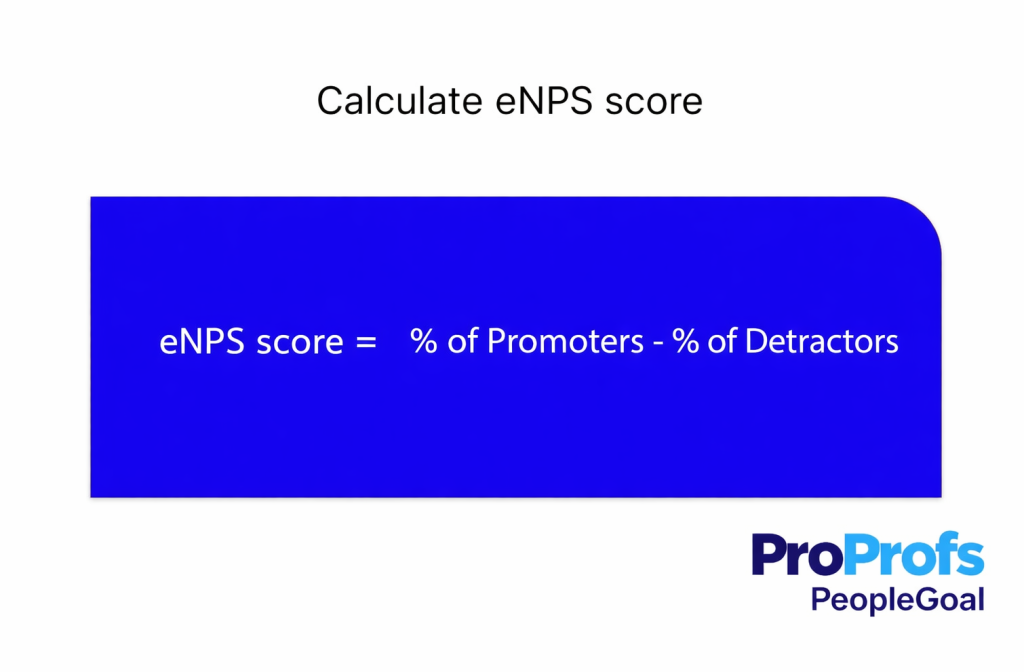
This one sounds simple, but it’s incredibly revealing.
Instead of asking, “Do you like your manager?” I look at a tougher question: Would you choose to work under this manager again?
That question cuts through politeness and gets to trust.
What makes the net performance promoter score useful is not the score itself, but the trend. Over time, tracking how many people would actively recommend being on a manager’s team versus how many wouldn’t tells you whether leadership energy is growing or draining.
How leaders use this:
- Rising NPPS usually signals strong coaching and psychological safety
- Flat or declining NPPS often shows up before disengagement or attrition
It’s an early-warning system that traditional ratings rarely provide.
2. Attrition Risk Trends
One resignation doesn’t automatically signal a problem. People leave for many reasons.
But when strong performers keep exiting the same team, it’s rarely a coincidence.
Managers play a major role in whether talent stays engaged or starts quietly disengaging. Looking at turnover patterns, manager by manager, especially among high performers and long-tenured employees, often surfaces leadership issues long before exit interviews do.
What to look for:
- Are exits clustered around one manager?
- Are high performers leaving faster than average performers?
When the answer is yes, the review conversation needs to go deeper than “retention challenges.”
3. Skill Adoption Velocity
This has become one of my favorite indicators of modern leadership.
Great managers don’t just protect current performance. They help teams evolve. You can see it in how quickly their teams adopt new tools, processes, or ways of working.
Managers who resist change often slow everyone down without realizing it. Managers who embrace learning tend to pull their teams forward with them.
How this shows up in practice:
- Faster onboarding to new tools
- Less resistance during change initiatives
- Teams experimenting instead of waiting for permission
Watching how quickly different teams adopt new skills after they’re introduced tells you a lot about the manager leading them.
4. Skip-Level Intelligence
Some of the most honest insights don’t come from surveys at all. They come from structured conversations at the next level.
Skip-level check-ins give employees space to share things they may hesitate to write down in a review form. The value here isn’t in one conversation; it’s in recurring themes.
Questions leaders rely on:
- What slows your team down most right now?
- When do you hesitate to speak up?
- What support do you wish you had but don’t?
Patterns in these answers often reveal blind spots managers themselves aren’t aware of, especially around communication, trust, and workload pressure.
Here are the benchmarks you must keep in mind:
- NPPS decline for 2 cycles = trust erosion
- Attrition spike among top performers = leadership risk
- Skill adoption lag compared to peers = stagnation signal
- Skip-level themes repeating twice = structural issue
- Crisis response creating chaos = readiness gap
5. Crisis Resilience Indicators
Pressure reveals leadership faster than any annual review ever will.
When deadlines slip, priorities change, or the business hits turbulence, managers show their true operating style. Some simplify complexity, communicate clearly, and steady their teams. Others panic, go silent, or unintentionally create chaos.
This metric isn’t about perfection. It’s about response.
After high-pressure periods, strong leaders look back and ask:
- How did the manager communicate?
- How did the team feel?
- What decisions helped, and which made things worse?
Those reflections often say more about leadership effectiveness than months of routine performance.
Common Management Performance Review Mistakes (and How to Fix Them)
I didn’t realize how fragile manager reviews were until I saw how easily good intent could be undone.
Most teams mess it up by rushing, reusing, or oversimplifying something that’s actually nuanced.
So, here are the mistakes and performance review tips for managers:
| Mistake | What Happens | Why It Breaks Reviews | Best Practice |
|---|---|---|---|
| Recency Bias | Recent wins or setbacks overshadow months of leadership behavior. | Reviews reflect memory, not patterns. | Keep lightweight notes and check-ins throughout the year. |
| Procedural Feedback | Reviews become form-filling exercises with vague comments. | No one leaves with clarity or direction. | Use specific, behavior-based examples instead of generic ratings. |
| Flat Templates | The same review form is used for all manager levels. | Leadership scope differences get ignored. | Adjust criteria based on team size, authority, and responsibility. |
| Orphaned Scores | Ratings are given without follow-up conversations or plans. | Feedback feels like judgment, not growth. | Tie every score to a next-step development action. |
| Calibration Politics | Ratings get negotiated down due to quotas or loud voices. | Trust erodes and performance feels capped. | Ground calibration in evidence and repeated behavioral patterns. |
| Role Blindness | Team leads and senior managers are evaluated the same way. | Expectations become unclear and unfair. | Define “good leadership” separately at each level before reviews begin. |
Build a Continuous, Data-Driven Manager Review Process
Manager performance reviews are clearly moving away from paperwork and toward ecosystem impact.
The real goal is no longer filling out forms once a year. It’s understanding how managers shape energy, trust, execution, and retention every single day.
The strongest managers act as force multipliers. They remove friction, grow people, and make good work easier to do. And the only way to evaluate that fairly is through continuous feedback, not annual surprises.
Multi-rater systems bring accuracy where single opinions fall short. Ongoing evidence beats memory. Clear development plans turn feedback into momentum instead of defensiveness.
When manager reviews are done right, leadership quality improves, attrition drops, and teams perform better over the long term.
And if you’re trying to run this process consistently, it helps to have one place where goals, feedback, and review cycles stay connected. Platforms like PeopleGoal can make that workflow easier to manage without adding extra administrative weight.
Remember, better manager reviews don’t just evaluate leadership. They build it.
Frequently Asked Questions

How do you prevent bias?
Don’t rely on memory or a single opinion. Use documented examples across the year, ask the same structured questions to everyone, and review patterns across multiple sources before finalizing ratings.
Should team leads and senior managers be reviewed differently?
Yes. Team leads are closer to execution and day-to-day coaching, while senior managers are responsible for scaling teams, developing leaders, and talent flow. The expectations should match the scope of the role.
What should a manager's performance review form include?
Clear role expectations, behavior-based questions, multi-rater input, space for examples, and a section that turns feedback into development actions. If it can’t guide improvement, it’s incomplete.
How do manager reviews connect to retention and engagement outcomes?
Managers heavily influence whether people feel supported, heard, and able to grow. Strong reviews catch leadership issues early, which helps prevent disengagement, burnout, and quiet attrition.
Ready to 3x Your Teams' Performance?
Use the best performance management software to align goals, track progress, and boost employee engagement.